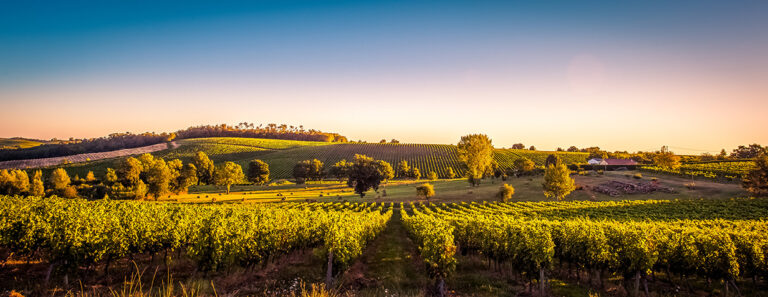
France remains one of the easiest and most rewarding destinations for UK travellers, whether you are planning a Paris city break, a family camping holiday, a ski trip in the Alps, a road trip through Provence, a beach holiday on the Côte d’Azur or a wine and food escape in Bordeaux, Burgundy or the Loire Valley.
Its appeal is partly convenience. You can fly, take the ferry, use Eurotunnel or travel by Eurostar, making France suitable for anything from a weekend away to a longer self-drive holiday. However, because it feels familiar and close to home, it is easy to overlook practical planning. Entry rules, healthcare, strikes, driving regulations, mountain risks, heatwaves, theft and travel insurance all still need proper consideration.
Before you travel
Before travelling, check the latest UK Foreign, Commonwealth & Development Office advice for France. The FCDO advises travellers to research their destination and arrange appropriate travel insurance that covers their itinerary, planned activities and emergency expenses.
France is part of the Schengen area. British citizens travelling on a full UK passport can visit France without a visa for up to 90 days in any 180-day period for tourism, visiting family or friends, business meetings, cultural or sports events, or short-term study and training. Your passport must have a date of issue less than 10 years before the date you arrive and an expiry date at least three months after the date you plan to leave the Schengen area.
At French border control, you may be asked to show proof of travel insurance, evidence that you have enough money for your stay, proof of accommodation and a return or onward ticket. The EU Entry/Exit System is also being implemented across the Schengen area, so travellers may need to allow extra time at ports, airports, Eurostar and Eurotunnel border controls.
Where to go in France
Paris is the obvious starting point for many visitors, with museums, restaurants, shopping, architecture and major landmarks such as the Eiffel Tower, Louvre, Montmartre and Notre-Dame. It works well for a short break, but travellers should allow time for transport, queues and busy public areas.
Northern France is ideal for shorter trips from the UK. Normandy and Brittany offer coastlines, seafood, historic towns, D-Day beaches and family-friendly campsites. The Loire Valley is a strong choice for châteaux, gardens, cycling, wine and relaxed touring.
The south of France offers a very different experience. Provence is known for hilltop villages, markets, lavender fields and Roman sites, while the Côte d’Azur combines beaches, harbours, glamour and city breaks in places such as Nice, Cannes and Antibes. For a more active trip, the French Alps and Pyrenees are popular for skiing, snowboarding, hiking, cycling and summer mountain holidays.
France is also excellent for self-drive holidays. The road network makes it easy to combine regions, but distances can be deceptive. A drive from Calais to the south coast, for example, is a long journey and usually benefits from an overnight stop.
Health and medical advice
Before travelling, check that your destination can provide any healthcare you may need and make sure you have appropriate travel insurance for local treatment or unexpected medical evacuation. This is especially important if you have a health condition, are pregnant, are travelling with young children or are planning a mountain or winter sports trip.
The emergency medical number in France is 112. If you are referred to a medical facility, contact your insurance or medical assistance company quickly. The FCDO also advises checking vaccine recommendations at least eight weeks before travel and notes health risks in France including dengue, chikungunya, biting insects and ticks, as well as altitude sickness in parts of the country.
UK travellers should carry a valid GHIC or existing EHIC where eligible. To receive medically necessary state healthcare in France, you need a GHIC or EHIC, but this is not a replacement for travel insurance. It may not cover costs such as private healthcare, private clinics, changes to travel and accommodation, treatment ruled non-urgent or medical repatriation to the UK.
Travel insurance for France
Travel insurance should be arranged as soon as you book your trip, even for short breaks close to home. Depending on the policy and level of cover selected, travel insurance may help with unexpected costs linked to cancellation, cutting short a trip, emergency medical treatment, repatriation, travel delay, lost or stolen belongings and other insured events.
This is particularly relevant for France because trips can vary widely. A weekend in Paris, a family campsite holiday, a skiing trip, a cycling holiday and a self-drive tour all have different insurance considerations. Leisure Guard’s travel insurance wording makes clear that travellers should read the policy wording and policy certificate carefully so they understand what is included and what is not. It also states that different levels of cover and optional sections only apply where selected and paid for.
If you have pre-existing medical conditions, declare them accurately when buying cover. You should also check whether your planned activities are included. Skiing, snowboarding, cycling, hiking, watersports, sailing, climbing and other activities may have conditions, exclusions or require optional cover. For mountain trips, the FCDO advises making sure your insurance covers extra costs such as mountain rescue and helicopter evacuation, and notes that in Savoie and Haute-Savoie you may need to be transferred to Switzerland for treatment.
Safety and local awareness
Most visits to France are trouble-free, but travellers should take sensible precautions. The FCDO notes that terrorists are very likely to try to carry out attacks in France and that attacks could be indiscriminate, including in places visited by tourists such as shopping centres, nightlife venues, sporting and cultural events, public transport, transport hubs, places of worship and crowded public gatherings. Travellers should stay vigilant and follow advice from local authorities.
Street crime and pickpocketing can be an issue, especially in Paris and around major transport hubs. Pickpockets operate on the Paris Métro, RER lines and at mainline stations. Keep passports, cards and valuables in separate pockets or bags, carry bags across the body, keep belongings close in restaurants and bars, and avoid being distracted around tourist attractions and cash machines.
Industrial action is also a practical consideration. France can experience frequent strikes, which may affect roads, trains, flights and public transport. Demonstrations can happen with little or no warning, particularly in cities. Before travelling, check your operator’s advice, monitor local media and allow extra time for connections.
Driving and car hire in France
France is one of the best European destinations for a self-drive holiday, but driving rules should be checked before you go. UK photocard driving licences can be used in France, although hire companies may set stricter requirements such as minimum age, driving experience or an International Driving Permit. You may also need a UK sticker if taking your own vehicle.
French driving laws differ from the UK. Police can issue on-the-spot fines for driving offences, including speeding, and France has strict drink-driving laws with a legal alcohol limit lower than England and Wales. Vehicles driven in certain mountain regions between 1 November and 31 March must have winter tyres or chains, and vehicles driving in central Paris, Lyon and Grenoble must display an air pollution sticker during specified weekday hours.
If you hire a car, inspect it carefully before leaving the rental office, photograph any existing damage and check what is included in the rental agreement. Basic rental insurance may still leave you responsible for an excess, deposit or certain damage charges.
Car hire excess insurance may help with certain excess charges or costs applied by a rental company after an insured incident, depending on the policy terms. Leisure Guard’s Car Hire Excess & Damage Insurance wording explains that the policy is designed to help with certain amounts you may be liable to pay to the rental company after an incident, but it is not a replacement for total rental vehicle insurance, third-party liability, fire cover or full travel, medical or life insurance.
Travellers should also check the certificate of insurance, destination, rental dates, named driver and exclusions before relying on any car hire excess policy. The wording excludes claims where the country is not shown on the certificate of insurance, where the policy does not cover the whole rental period, or where the rental agreement has been breached.
Weather, beaches and outdoor risks
France can experience extreme heat in summer, particularly in cities, inland regions and the south. Check forecasts, drink plenty of water, use sun protection and plan sightseeing or driving breaks around the hottest part of the day. Wildfires can occur anywhere in France during the summer months, particularly along the Mediterranean coast and in Corsica, and French authorities may evacuate areas or close roads for safety reasons.
If you are visiting the coast, follow local beach warnings. Sea conditions can be dangerous even for strong swimmers, and some Atlantic beaches have strong undercurrents and riptides, particularly around Gironde and Landes. In the mountains, check weather and avalanche conditions, follow local advice and make sure you are properly equipped.
Final thoughts
France is a brilliant destination for UK travellers because it can be almost anything you want it to be: a romantic city break, a family campsite holiday, a ski trip, a beach escape, a food and wine tour or a long road trip.
The key is not to treat it as risk-free simply because it is close to home. Check current travel advice, make sure your passport meets Schengen rules, carry a GHIC or EHIC if eligible, arrange suitable travel insurance, and check activity or car hire terms before you travel. With the right preparation, France remains one of the most flexible and rewarding holiday destinations in Europe.
The contents of this article are for informative purposes only and does not affect the terms and conditions of a Leisure Guard Travel Insurance policy. For more information on what is covered under a Leisure Guard policy, please refer to the terms and conditions found in the policy wording.