Turkey is one of the most varied holiday destinations within easy reach of the UK, offering a mix of beach resorts, historic cities, dramatic landscapes and rich cultural experiences. Whether you are planning a week on the Turquoise Coast, a city break in Istanbul, a family holiday in Antalya, or a road trip through Cappadocia, a little preparation can help your trip run more smoothly.
Before booking, it is worth checking the latest UK Foreign, Commonwealth & Development Office travel advice. The FCDO currently advises against travel to some parts of Turkey, including within 10km of the border with Syria, and notes that travelling against FCDO advice could invalidate travel insurance.
Why visit Turkey?
Turkey is popular because it offers excellent variety. Istanbul is ideal for travellers interested in food, shopping, architecture and history, with landmarks such as Hagia Sophia, the Blue Mosque, Topkapi Palace and the Grand Bazaar. Along the coast, resorts such as Antalya, Bodrum, Marmaris, Fethiye and Side are well suited to beach holidays, boat trips and family-friendly hotels.
Further inland, Cappadocia is famous for its rock formations, cave hotels and hot air balloon views, while Pamukkale, Ephesus and Troy are popular with travellers looking to explore Turkey’s ancient history. For many UK holidaymakers, Turkey also offers good value, warm weather and a wide range of package holiday options.
Entry requirements for UK travellers
For British citizens travelling on a full UK passport, Turkey currently allows visa-free visits for up to 90 days in any 180-day period. Entry rules can change, and the Turkish authorities set and enforce their own requirements, so travellers should check official guidance before departure, particularly if travelling for reasons other than tourism or if using a different type of passport.
If your plans include a day trip from Turkey to a Greek island, remember that Greece is part of the Schengen Zone. The EU Entry/Exit System may add time at the border for non-EU nationals, so allow extra time and check the rules before you travel.
Health and medical preparation
Turkey has private and public healthcare facilities, particularly in major cities and tourist areas, but standards and costs can vary. Before travelling, check whether your destination can provide any healthcare you may need and make sure your travel insurance is suitable for your trip, especially if you have a medical condition or are pregnant. The FCDO advises travellers to check vaccine recommendations at least eight weeks before travel and to contact their insurance or medical assistance provider promptly if referred to a medical facility abroad.
The emergency medical number in Turkey is 112. If you need urgent help, ask for an ambulance and contact your insurer’s medical assistance team as soon as possible. This is particularly important if you are admitted to hospital, need specialist treatment, or may need to return home early for medical reasons.
If you take prescription medication, check the rules before travelling. The legal status of some medicines can differ overseas, and British prescriptions are not accepted in Turkish pharmacies.
Safety and local awareness
Most holidays to Turkey are trouble-free, but travellers should stay aware of their surroundings, especially in busy public areas, transport hubs, tourist attractions and nightlife districts. The FCDO highlights a global threat of terrorism affecting UK interests and British nationals, including in Turkey, and advises travellers to remain alert.
Petty theft can happen in crowded areas, so keep valuables secure and avoid carrying more cash than you need. Use hotel safes where available, keep a copy of your passport separate from the original, and take extra care with phones, bags and wallets in markets, bars and public transport areas.
Turkey is also an earthquake-prone country. You do not need to be alarmed, but it is sensible to know what to do in an emergency, follow local authority advice and keep travel documents accessible.
Food, drink and weather
Turkish food is one of the highlights of a visit, from meze and grilled meats to fresh seafood, baklava and strong Turkish coffee. In resorts and cities, tap water quality can vary, so many travellers prefer bottled water. During hot summer months, particularly on the south coast, dehydration and sunburn can become an issue quickly. Pack high-factor sun cream, drink water regularly and take breaks from the sun during the hottest part of the day.
If travelling with children, older relatives or anyone with a health condition, consider the heat when planning excursions. A full-day trip to ancient ruins or inland attractions can be tiring in peak summer, so early starts and shaded breaks can make the experience more comfortable.
Getting around Turkey
Turkey is a large country, and travel times can be longer than they look on a map. Domestic flights are often the quickest way to combine Istanbul with coastal resorts or Cappadocia. Coaches are widely used for longer journeys, while taxis and private transfers are common in tourist areas.
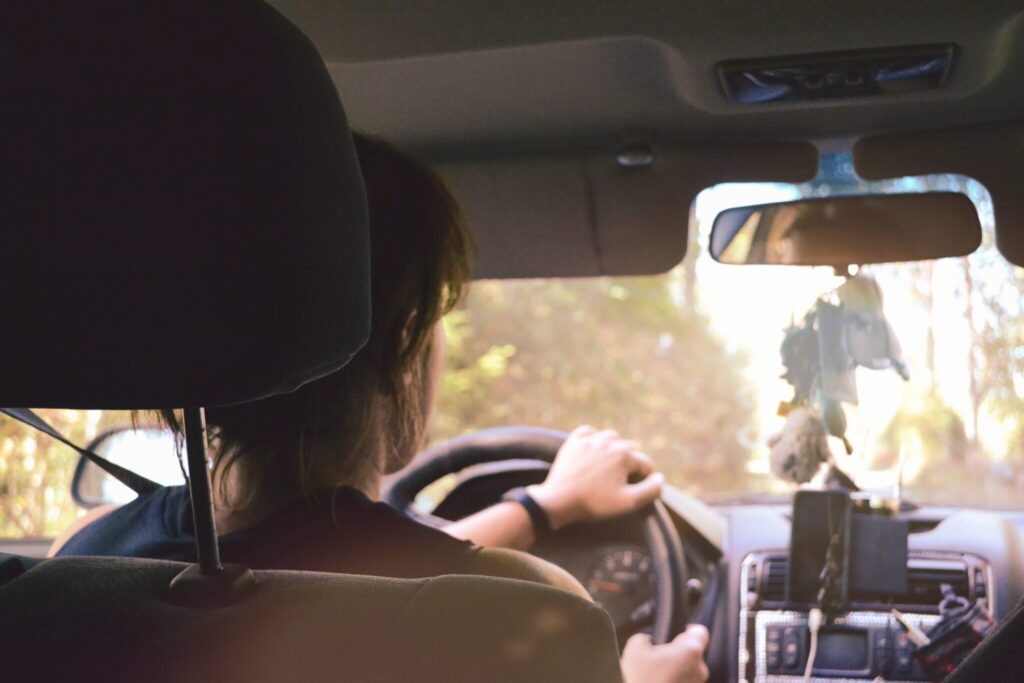
Hiring a car can be a good option if you want to explore beaches, villages, ruins and viewpoints at your own pace. However, driving styles, road conditions and signage may feel different from the UK, so take time to understand local rules and rental terms. Always inspect the vehicle before leaving the rental office, photograph any existing damage and check what is included in the rental agreement.
This is where car hire excess insurance may be worth considering. A standard rental agreement may include basic insurance, but it can still leave you responsible for an excess, deposit or certain charges if the vehicle is damaged or stolen. Car hire excess and damage insurance is designed to help with certain costs you may be liable to pay to the rental company after an insured incident, depending on the policy terms. It is not a replacement for full rental car insurance or third-party liability cover, so always check what the rental company provides and what any separate policy includes.
Travel insurance for Turkey
Travel insurance should be arranged as soon as you have booked your holiday, not just the day before you leave. Depending on the policy and level of cover selected, travel insurance may help with unexpected costs linked to cancellation, emergency medical treatment, repatriation, travel delay, lost or stolen belongings, personal liability and other insured events.
For a destination such as Turkey, medical cover is especially important. Private treatment can be expensive, and if you need specialist care or medical repatriation to the UK, costs can become significant. When choosing cover, check that the policy suits your destination, trip length, activities and travelling party.
If you have any pre-existing medical conditions, it is important to declare them accurately during the medical screening process. Undeclared conditions may affect whether a claim is covered. You should also check whether planned activities are included. Boat trips, water sports, hiking, quad biking, diving, winter sports and adventure activities may need to be declared or may require additional cover.
Travellers should read the policy wording and policy certificate carefully so they understand what is and is not included. Some cover sections or upgrades only apply if they have been selected and the additional premium has been paid.
Practical tips before you travel
Before leaving the UK, check that your passport is valid, review entry requirements, save digital and printed copies of your travel documents and keep your insurer’s emergency contact details somewhere easy to access. Tell your bank you are travelling if needed, and consider carrying a small amount of local currency for taxis, tips and smaller purchases.
It is also worth checking your mobile roaming charges before departure. Many UK networks treat Turkey differently from EU destinations, so data roaming can be expensive if not managed carefully.
Final thoughts
Turkey is a rewarding destination with something for almost every type of traveller, from beach holidays and family resorts to city breaks, cultural tours and self-drive adventures. The key is to plan realistically, check official advice before travelling and make sure any travel insurance or car hire excess insurance you choose matches your actual plans.
With the right preparation, Turkey can offer a memorable mix of sunshine, history, food, scenery and hospitality — whether you are visiting for the first time or returning to explore somewhere new.
The contents of this article are for informative purposes only and does not affect the terms and conditions of a Leisure Guard Travel Insurance policy. For more information on what is covered under a Leisure Guard policy, please refer to the terms and conditions found in the policy wording.