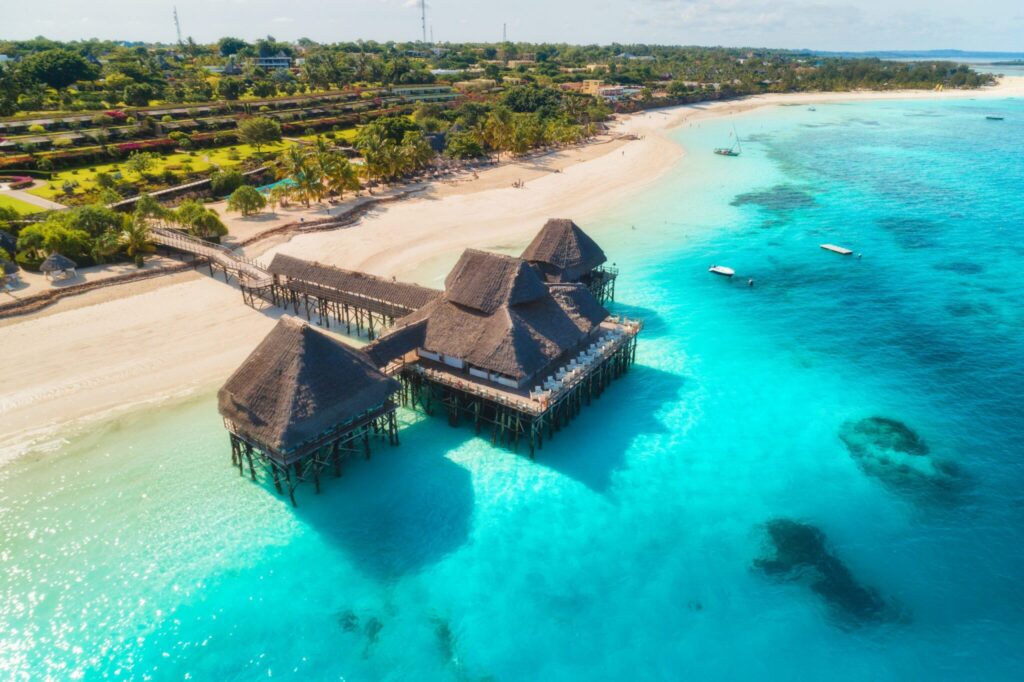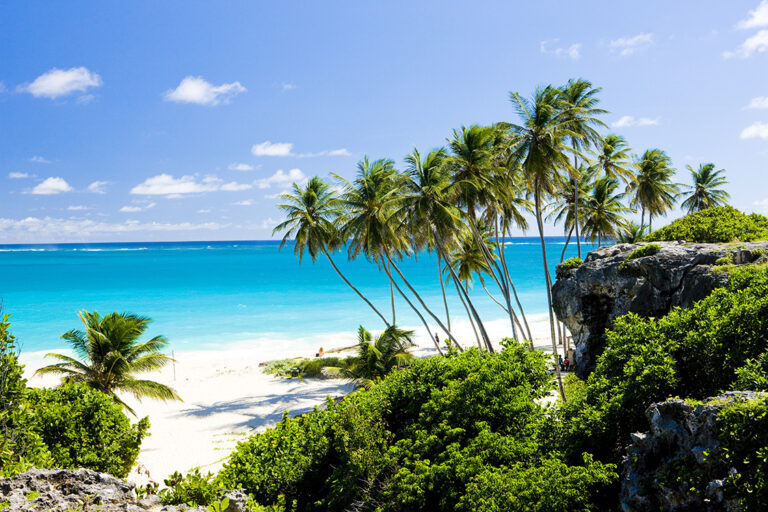
Barbados is one of the Caribbean’s most popular destinations for UK travellers, known for its beaches, warm weather, hospitality, rum, food, cricket, catamaran trips and relaxed island atmosphere. It works well for couples, families, honeymooners, cruise passengers and travellers looking for winter sun, with direct flights from the UK making it an accessible long-haul option.
Most holidays to Barbados are centred around the west and south coasts, where many of the main hotels, beaches, restaurants and resorts are found. The island is relatively small, but there is plenty to explore, from Bridgetown and historic plantation houses to surf beaches, botanical gardens, caves, fishing villages and rum distilleries. As with any Caribbean destination, it is worth preparing properly before you travel, particularly around entry requirements, health, hurricanes, swimming safety, transport and travel insurance.
Before you travel
Before booking or travelling, check the latest UK Foreign, Commonwealth & Development Office advice for Barbados. The FCDO advises travellers to research their destination and arrange appropriate travel insurance that covers their itinerary, planned activities and emergency expenses.
British citizens travelling on a full UK passport do not need a visa to visit Barbados. Your passport must be valid for the planned length of your stay, and you must be able to show an onward or return ticket when entering the country. All travellers must also complete an online immigration and customs form before arrival.
Passengers aged two and over must pay a departure tax, although this is often included in the airline ticket price. You should check with your airline or tour operator so there are no surprises. Travellers arriving from a country listed as a yellow fever transmission risk must also have a yellow fever vaccination certificate.
Where to stay in Barbados
The west coast is often associated with calmer seas, luxury hotels, upmarket restaurants and soft sandy beaches. Areas such as Holetown, Paynes Bay and Speightstown are popular with travellers looking for a relaxed, polished resort feel.
The south coast tends to be livelier, with a wider mix of hotels, apartments, bars, restaurants and nightlife. St Lawrence Gap is one of the best-known areas for evening entertainment, while Rockley and Worthing are good options for beach access, restaurants and convenience.
The east coast feels wilder and more dramatic, with Atlantic waves, rugged scenery and quieter beaches. It is beautiful for sightseeing and photography, but swimming is not recommended on many east-coast beaches because currents can be particularly strong.
Bridgetown, the capital, is useful for shopping, history, harbour views and cruise connections. It can be visited as a day trip from most resort areas, especially for travellers interested in the island’s colonial history, local markets and waterfront.
Things to do in Barbados
Barbados is ideal for beach days, but it is worth exploring beyond the hotel. Catamaran cruises are popular, often combining snorkelling, swimming and lunch on board. Carlisle Bay is known for snorkelling and shipwrecks, while the west coast is a good choice for calmer sea conditions.
Food is a big part of the Barbados experience. Oistins Fish Fry is one of the island’s best-known evening experiences, particularly on Fridays, while local dishes such as flying fish, macaroni pie, cou-cou, fish cakes and Bajan pepper sauce are worth trying.
For history and culture, consider visiting George Washington House, St Nicholas Abbey, the Garrison area or one of the island’s rum distilleries. Harrison’s Cave, Hunte’s Gardens and Animal Flower Cave are also popular excursions. If you are planning organised trips, use reputable providers and check whether any activities are covered by your travel insurance before you book.
Health and medical advice
Before travelling, check health advice at least eight weeks before your trip. The FCDO advises travellers to make sure their destination can provide any healthcare they may need and to have appropriate travel insurance for local treatment or unexpected medical evacuation, especially if they have a health condition or are pregnant.
The emergency medical number in Barbados is 511. If you are referred to a medical facility, contact your insurance or medical assistance company quickly. This is especially important if you are admitted to hospital, need specialist treatment, or may need emergency evacuation.
Medical treatment in Barbados can be expensive. The FCDO notes that the healthcare system is not as extensive as the UK, Queen Elizabeth Hospital can deal with many types of treatment, but serious cases may require emergency evacuation. Some private clinics may also have prepayment policies and may not accept medical travel insurance as direct payment.
Health risks listed for Barbados include Zika virus, dengue and chikungunya, so mosquito bite prevention is sensible. Pack insect repellent, use air conditioning or screens where available, and take extra care at dawn and dusk.
Safety and local awareness
Many visits to Barbados are trouble-free, but sensible precautions still matter. The FCDO notes incidents of violent crime including armed robbery, sexual assault, gang-related shootings and carjackings, with some gang-related incidents taking place in populated and public areas. Travellers are advised to secure accommodation, take care when walking alone away from busy main roads, avoid isolated areas including beaches after dark, use licensed taxis, avoid carrying large amounts of cash or wearing expensive-looking jewellery, and keep valuables and travel documents in a hotel safe.
There are also local laws and cultural differences to be aware of. It is illegal to possess drugs, and penalties are severe. It is also illegal for anyone, including children, to wear camouflage clothing in Barbados.
Swimming, weather and hurricanes
Swimming is one of the main reasons people visit Barbados, but sea conditions vary. Currents can be deceptively strong, including on some popular south and west coast beaches, and not every beach has lifeguards or warning flags. Motorised water sports equipment such as jet skis, dive boats and catamarans may also operate close to shore.
Hurricane season in Barbados normally runs from June to November. Travellers during this period should monitor local news, check weather updates and follow local authority advice. Barbados can also experience occasional earthquakes, and travellers should follow official guidance if there is increased activity linked to the underwater volcano Kick ’em Jenny, located off the coast of Grenada.
Travel insurance for Barbados
Travel insurance should be arranged as soon as you book your holiday. Depending on the policy and level of cover selected, travel insurance may help with unexpected costs linked to cancellation, cutting short a trip, emergency medical treatment, repatriation, travel delay, lost or stolen belongings and other insured events.
For Barbados, medical cover and emergency evacuation are particularly important because treatment can be expensive and serious cases may need transfer elsewhere. Travellers should check the policy wording, policy certificate, cover limits, exclusions and emergency contact arrangements before they travel. Leisure Guard’s policy wording also makes clear that travellers should read the policy wording and certificate carefully, as different levels of cover and optional sections only apply where selected and paid for.
If you have pre-existing medical conditions, these should be declared accurately when buying cover. You should also check that your planned activities are included, such as snorkelling, diving, sailing, catamaran trips, surfing, jet skiing or other water sports. Leisure Guard’s wording notes that some sports and activities may be covered as standard when recreational and non-professional, while others may require confirmation or additional premium.
Car hire and getting around
Many visitors use hotel transfers, taxis and organised tours rather than hiring a car. Taxis in Barbados do not have meters, and the FCDO advises agreeing the fare in Barbados dollars before setting off. Drivers may not always accept card payments, so carry some cash for taxis and shorter journeys.
Hiring a car can be useful if you want to explore the island independently, especially if you are staying away from the main resort areas. Before driving, check local driving rules, inspect the vehicle carefully, photograph any existing damage and make sure you understand what insurance is included in the rental agreement.
Car hire excess insurance may help with certain excess charges or costs applied by a rental company after an insured incident, depending on the policy terms. However, it is not a substitute for full rental vehicle insurance, third-party liability, fire cover or other compulsory cover. Leisure Guard’s Car Hire Excess & Damage Insurance wording states that the product is designed to help with certain amounts you may be liable to pay to the rental company after an incident, but it is not suitable for someone seeking total insurance and liability cover for rental cars.
Travellers should check the certificate of insurance, destination, rental dates, named driver and exclusions before relying on any car hire excess policy. The wording also excludes claims where the destination is not shown on the certificate of insurance, where the policy does not cover the full rental period, or where the FCDO has advised against all or all but essential travel.
Final thoughts
Barbados is a superb choice for UK travellers looking for Caribbean sunshine, beaches, food, music, history and a relaxed island escape. It is easy to enjoy, but still benefits from careful planning.
Before you travel, check current FCDO advice, complete the immigration and customs form, take sensible safety precautions, understand swimming conditions and make sure your travel insurance matches your health needs, activities and itinerary. If you are hiring a car, check the rental agreement and any car hire excess insurance carefully before collecting the vehicle.
The contents of this article are for informative purposes only and does not affect the terms and conditions of a Leisure Guard Travel Insurance policy. For more information on what is covered under a Leisure Guard policy, please refer to the terms and conditions found in the policy wording.