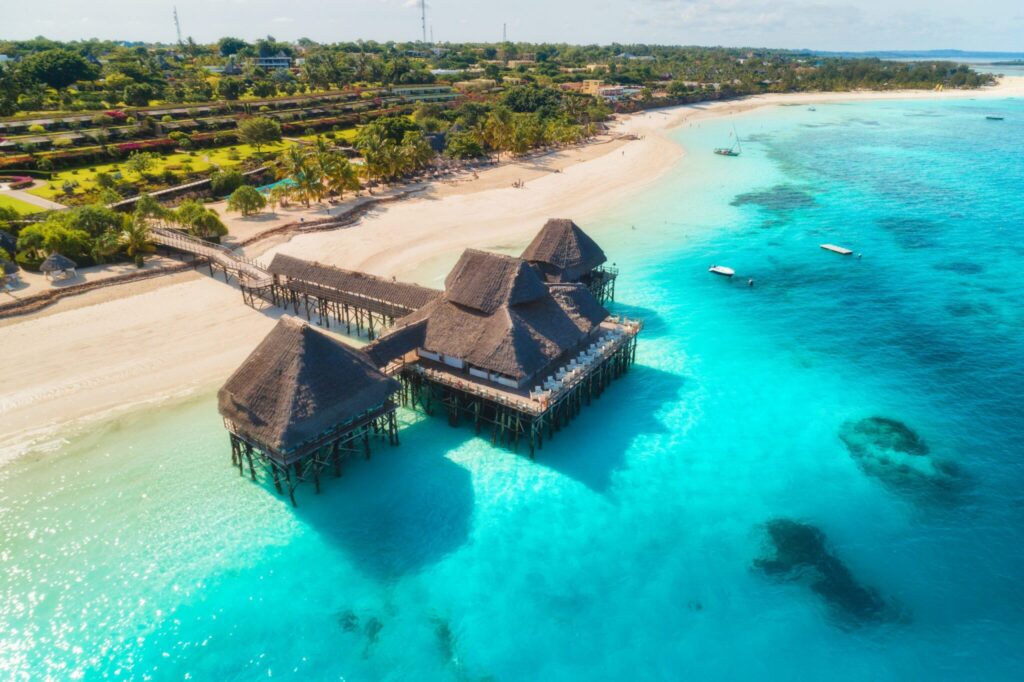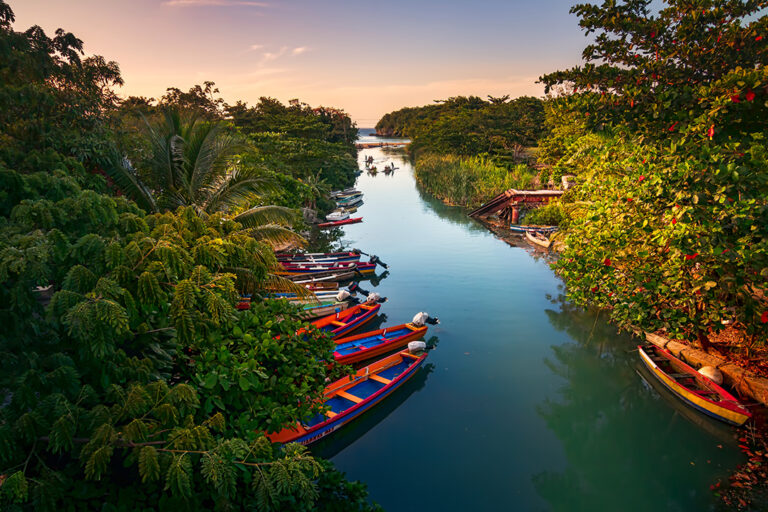
Jamaica is one of the Caribbean’s most recognisable holiday destinations, known for its beaches, reggae, rum, mountain scenery, waterfalls, food and laid-back resort culture. For UK travellers, it is often chosen for winter sun, honeymoons, family holidays, luxury all-inclusive breaks and Caribbean cruise extensions.
Popular resort areas include Montego Bay, Negril, Ocho Rios and Runaway Bay, while Kingston, Port Antonio and the Blue Mountains offer a different side of the island for travellers who want culture, history and nature. Jamaica can be a brilliant destination, but it is also one where sensible planning matters. Travel times are long, the climate can be unpredictable during hurricane season, healthcare can be expensive, and local safety advice should be taken seriously.
Before you travel
Before booking or travelling, check the latest UK Foreign, Commonwealth & Development Office advice for Jamaica. The FCDO advises travellers to research their destination and arrange appropriate travel insurance that covers their itinerary, planned activities and emergency costs. It also notes that Hurricane Melissa caused significant damage in western parishes in October 2025, with some areas still affected by issues such as limited healthcare access, debris, standing water and increased health risks.
British citizens travelling on a full UK passport do not usually need a visa to visit Jamaica and are normally granted entry for up to 90 days. Your passport must be valid for the duration of your stay and should have two blank pages for entry and exit stamps. You should also complete Jamaica’s Immigration and Customs Form C5 online before arrival where possible.
Where to stay in Jamaica
Montego Bay is one of the main gateways to Jamaica and a popular choice for first-time visitors. It has a wide range of resorts, beaches, golf courses, restaurants and excursions. It is also close to the airport, making it convenient for shorter stays or family holidays.
Negril is best known for Seven Mile Beach, sunset bars, relaxed hotels and a slower pace. It is often a good fit for couples, beach lovers and travellers looking for a more laid-back atmosphere. Ocho Rios is popular for excursions, with access to Dunn’s River Falls, Mystic Mountain, river tubing and other organised activities.
Kingston is Jamaica’s capital and cultural centre. It is home to music history, galleries, restaurants and the Blue Mountains nearby, but it requires more planning than a resort-based stay. If visiting Kingston, use reputable transport, check local advice and avoid unfamiliar areas, particularly after dark.
Port Antonio and the north-east coast offer a quieter, greener experience, with beaches, lagoons, waterfalls and smaller hotels. This area may appeal to travellers who have visited Jamaica before or want a more independent trip.
Health and medical advice
Before travelling, check vaccine and health recommendations at least eight weeks before departure. The FCDO advises travellers to make sure their destination can provide any healthcare they may need and to have appropriate travel insurance for local treatment or unexpected medical evacuation, especially if they have a health condition or are pregnant.
The emergency medical number in Jamaica is 110. If you are referred to a medical facility, contact your insurance company quickly. The FCDO notes that medical facilities vary and may not meet UK standards, and that treatment can be expensive, with doctors and hospitals expecting immediate cash payment for health services.
Pack any prescription medication in your hand luggage, along with a copy of your prescription or a doctor’s letter where appropriate. The legal status of some medicines can differ between countries, so check before travelling if you are taking controlled or specialist medication.
Safety and local awareness
Most visits to Jamaica are trouble-free, particularly for travellers staying in established resorts and using organised excursions. However, the FCDO highlights that crime and homicide rates are high, with gang violence mainly affecting inner-city areas. Tourist areas are not usually affected by gang-related crime, but travellers should still remain cautious.
The motive for many attacks on tourists is robbery, so avoid walking in isolated areas or on deserted beaches, even during the day. Use hotel safes for valuables, avoid displaying jewellery or expensive devices, take care when using ATMs and avoid walking at night. The FCDO also advises using reputable, licensed providers for excursions, services and taxis.
It is worth being cautious when meeting new people socially. Some British nationals have reported incidents of rape and sexual assault in tourist areas, including beach resorts. Travellers should avoid isolated areas, be careful about sharing accommodation details, and ensure they have safe transport arranged back to their hotel.
Weather and hurricane season
Jamaica has a warm tropical climate, with sunshine throughout much of the year. The busiest holiday season tends to run through the UK winter, when many travellers visit for warm weather and beach holidays.
Hurricane season is normally from June to November. Storms can cause flooding, fallen trees, blocked roads and disruption to transport or utilities. The FCDO advises travellers to check routes in advance, take care near swamps, rivers, gullies and mangroves, and monitor local weather reports.
If travelling during hurricane season, consider flexible travel arrangements, keep an eye on airline and hotel updates, and make sure your travel insurance meets your needs. Not every disruption will automatically be covered, so check the policy wording carefully before you travel.
Getting around Jamaica
Many UK visitors use airport transfers, hotel-arranged taxis and organised excursions rather than driving themselves. This is often the easiest option, particularly for first-time visitors. Jamaican Tourist Board approved taxis and minibuses are recommended for excursions, airport transfers and sightseeing; these usually carry photo ID and display a blue JTB sticker on the windscreen.
If you do plan to drive, a UK photocard driving licence can be used in Jamaica for up to six months. However, road conditions and driving standards can be challenging. The FCDO notes that many roads are badly maintained, signage can be poor, rural roads may be narrow, winding and poorly lit, and road accidents are common.
Hiring a car may suit confident drivers planning to explore beyond resort areas, but read the rental agreement carefully, inspect the vehicle before leaving the rental office and understand what insurance is included. Take photos of any existing damage and avoid driving at night where possible.
Car hire excess insurance in Jamaica
Car hire excess insurance is commonly used by travellers to help protect against certain excess charges, deposits or costs applied by a rental company after damage, theft or another insured incident. However, it is not the same as full rental car insurance and does not replace third-party liability, fire or other cover that may be required through the rental company.
For Jamaica specifically, extra care is needed. The Leisure Guard Car Hire Excess & Damage Insurance policy wording lists Jamaica among destinations where claims are not covered. Travellers should therefore not assume car hire excess insurance is available or suitable for a Jamaican car rental and should check the current policy wording, certificate of insurance and rental company terms before hiring a vehicle.
Travel insurance for Jamaica
Travel insurance for Jamaica should be arranged as soon as you book your holiday. Depending on the policy and level of cover selected, travel insurance may help with unexpected costs linked to cancellation, cutting short a trip, emergency medical treatment, repatriation, travel delay, lost or stolen belongings and other insured events.
For a long-haul destination such as Jamaica, medical cover is particularly important. Treatment can be expensive, and medical repatriation to the UK could be costly if required. GOV.UK advises international travellers to buy appropriate travel insurance before they go, covering existing physical or mental health conditions and any activities they plan to do while away. It also advises taking policy details and the insurer’s emergency assistance number with you when travelling.
Leisure Guard’s travel insurance wording also stresses the importance of reading the policy wording and policy certificate carefully so travellers understand what is and is not included. It notes that different levels of cover and optional sections only apply when selected and paid for, and that travellers should contact the Medical Assistance Service as soon as possible if they are in hospital or need medical assistance abroad.
If you have pre-existing medical conditions, declare them accurately when buying cover. Undeclared conditions may affect whether a claim is accepted. You should also check whether your planned activities are covered, such as snorkelling, diving, boat trips, river tubing, hiking, horse riding, zip-lining or other excursions. Some activities may be included as standard, while others may require an upgrade or may not be covered.
Practical travel tips
Take copies of your passport, travel insurance documents, hotel details and emergency contacts. Keep one copy online and one separate from the originals. Carry some local currency for tips, taxis and small purchases, but avoid withdrawing or carrying large amounts of cash.
Use bottled or properly treated water if advised locally, pack strong sun protection and insect repellent, and take sensible precautions against mosquito bites, particularly in areas with standing water after storms. If you are staying in a resort, follow hotel security guidance and check with staff before booking taxis, tours or independent excursions.
Final thoughts
Jamaica is a memorable destination with a strong identity, beautiful landscapes, warm weather and a huge amount to offer beyond the beach. Whether you are visiting for a resort holiday, a honeymoon, music and culture, waterfalls, food or a wider Caribbean itinerary, planning ahead will make the trip easier.
Check current FCDO advice before travelling, complete entry forms in advance, use reputable transport and choose travel insurance that matches your destination, health needs and planned activities. If hiring a car, be especially careful to check the rental agreement and insurance arrangements, as car hire excess cover may not apply in Jamaica.
The contents of this article are for informative purposes only and does not affect the terms and conditions of a Leisure Guard Travel Insurance policy. For more information on what is covered under a Leisure Guard policy, please refer to the terms and conditions found in the policy wording.