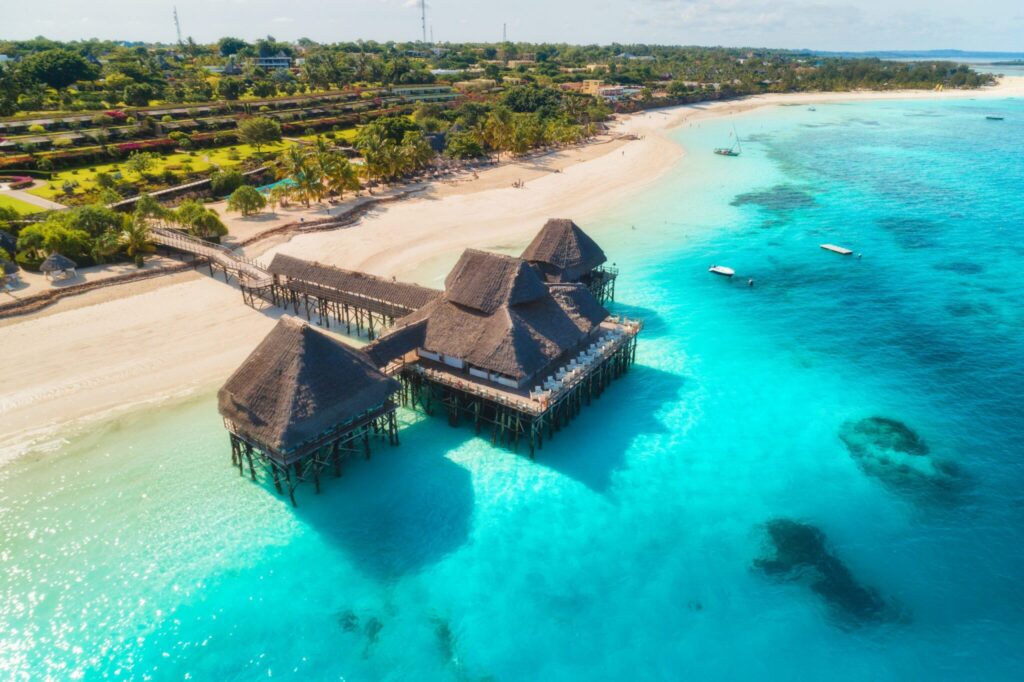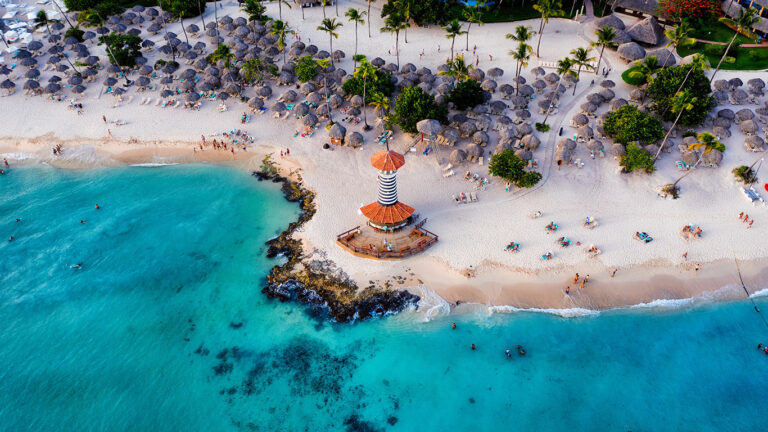
The Dominican Republic is one of the Caribbean’s most popular long-haul holiday destinations, known for its white-sand beaches, all-inclusive resorts, warm weather, lively music and tropical landscapes. From the resort areas of Punta Cana and La Romana to the capital city of Santo Domingo, the mountainous interior and the beaches of the north coast, it offers much more than a simple fly-and-flop escape.
For UK travellers, the Dominican Republic can be a fantastic choice for winter sun, honeymoons, family holidays and luxury breaks. However, as with any long-haul destination, it is important to plan properly, check the latest travel advice and make sure you have suitable travel insurance in place before you travel.
Before you travel
Before booking or travelling, check the latest Foreign, Commonwealth & Development Office advice for the Dominican Republic. The FCDO advises travellers to research their destination and arrange appropriate travel insurance that covers their itinerary, planned activities and emergency costs.
British citizens can currently visit the Dominican Republic for tourism without a visa for up to 30 days. Until 31 December 2026, British passport holders can enter and leave for tourism as long as their passport is valid for the duration of their visit, although rules may change after that date. You must also complete an entry and exit form before arriving and before leaving the country, which generates a QR code that may be checked by your airline or at the border.
It is sensible to complete this form before heading to the airport, rather than leaving it until check-in. You should also keep a digital and printed copy of your travel documents, hotel details, travel insurance information and emergency contacts.
Where to stay
Punta Cana is the best-known resort area, with long beaches, large hotels, golf courses and plenty of all-inclusive options. It is particularly popular with families, couples and first-time visitors who want a straightforward beach holiday.
La Romana and Bayahibe are good choices for a slightly quieter resort experience, with access to Saona Island and some excellent snorkelling and diving opportunities. Puerto Plata, on the north coast, offers beaches, historic areas and access to activities such as cable car rides, waterfalls and water sports.
Santo Domingo, the capital, is ideal for travellers who want culture and history. Its Colonial Zone is a UNESCO-listed area with cobbled streets, museums, restaurants and some of the oldest European-built sites in the Americas. For a more independent or adventurous trip, the Samaná Peninsula is known for beaches, whale watching in season and a more relaxed pace.
Health and medical advice
At least eight weeks before travelling, check the latest health advice and vaccine recommendations. The FCDO highlights health risks in the Dominican Republic including malaria, dengue and Oropouche virus disease. It also notes that tap water is not drinkable, so travellers should use bottled or properly treated water.
Private hospitals can offer good standards of care, but treatment may be expensive. Public medical facilities are generally limited, and the FCDO advises travellers to have appropriate travel health insurance and access to funds for treatment and repatriation. It also warns that, in some cases, visitors who cannot pay hospital bills may be stopped from leaving the country until debts are settled.
This is one of the key reasons travel insurance is important for a Dominican Republic holiday. Medical costs, hospital stays, specialist treatment and repatriation can be expensive, particularly in a long-haul destination. When choosing cover, check the policy limits, exclusions and emergency assistance arrangements carefully.
Safety and security
Most visits to the Dominican Republic are trouble-free, but travellers should be alert. The FCDO describes the crime rate as high, with incidents ranging from opportunistic bag-snatching and pickpocketing to violent crime and carjacking. It warns that thieves on motorcycles may snatch bags or valuables from pedestrians and may reach into cars at red lights.
Take practical precautions. Avoid displaying expensive jewellery, watches or phones in public. Use hotel safes where available, keep bags close to your body and avoid walking alone late at night in unfamiliar areas. Use official taxis or transport arranged through your hotel, tour operator or a reputable provider.
If you are driving or using private transfers, keep doors locked and valuables out of sight. Avoid isolated roads after dark where possible, and be particularly cautious near the border with Haiti. The FCDO advises against all travel to Haiti, notes that land and sea borders between Haiti and the Dominican Republic are closed, and warns of armed robberies on roads close to the border.
Emergencies and getting help
The emergency number in the Dominican Republic is 911 for ambulance, fire and police, although the FCDO notes that 911 does not have full coverage across the country. Outside Santo Domingo, travellers can contact the tourist police in an emergency on +1 809 200 3500.
If you are involved in a serious incident, need medical treatment or are admitted to hospital, contact your travel insurer as soon as possible. Leisure Guard policy wording states that travellers needing urgent assistance abroad should contact the Emergency Medical Assistance Service, and that policyholders should read their policy wording and certificate carefully to understand what is and is not included.
Travel insurance for the Dominican Republic
A good travel insurance policy for the Dominican Republic should be chosen around the actual trip you are taking. A beach resort holiday, a diving trip, a wedding abroad and a multi-centre Caribbean itinerary may all have different insurance needs.
Depending on the cover selected, travel insurance may help with costs linked to cancellation, cutting short a trip, emergency medical treatment, repatriation, travel delay, personal belongings, lost documents and other insured events. However, cover is always subject to the policy terms, limits and exclusions, so travellers should not assume every situation is covered.
If you have any pre-existing medical conditions, these should be declared accurately when buying cover. Leisure Guard’s wording states that failing to declare pre-existing medical conditions may result in a claim being refused or reduced, even where the claim is not related to the undisclosed condition.
You should also check whether activities such as diving, snorkelling, boat trips, zip-lining, horse riding, hiking, quad biking or other excursions are covered. Some activities may be included as standard, while others may require an upgrade or may be excluded.
Car hire and getting around
Many visitors stay within resort areas and use hotel transfers or organised excursions. This is often the easiest option, especially for first-time visitors. If you do plan to hire a car, check the rental agreement carefully, understand the local driving conditions and make sure you know what insurance is included by the rental company.
Car hire excess insurance is often used by travellers to help protect against excess charges, deposits or certain costs applied by a rental company following damage or theft. However, it is separate from full rental vehicle insurance and is not a replacement for third-party liability, fire or other compulsory cover provided through the rental company. Leisure Guard’s car hire excess wording explains that the policy is designed to cover certain amounts you may be liable to pay to a rental company after an incident, but it is not suitable for someone seeking total insurance and liability cover for rental cars.
For this specific destination, there is an important compliance point: the attached Leisure Guard Car Hire Excess & Damage Insurance wording lists the Dominican Republic among countries where claims are not covered. Therefore, travellers should not assume car hire excess insurance is available or suitable for a Dominican Republic car rental and should check the current certificate, policy wording and rental company insurance terms before hiring a vehicle.
Money, weather and practical tips
The local currency is the Dominican peso, although US dollars are widely used in many tourist areas. Credit and debit cards are accepted in many hotels and larger restaurants, but it is useful to carry some local currency for tips, smaller shops and markets. Use cash machines in banks, hotels or secure locations where possible.
The Dominican Republic has a tropical climate, with warm temperatures year-round. The hurricane season in the Caribbean usually runs from June to November, so travellers during this period should monitor weather updates and follow local advice. Even outside storm season, strong sun, humidity and sudden heavy rain are common, so pack sun protection, insect repellent, light clothing and any medication you may need.
Final thoughts
The Dominican Republic can be a wonderful destination for UK holidaymakers looking for Caribbean beaches, warm hospitality, music, food and a wide choice of resorts. With sensible planning, most travellers can enjoy a relaxing and memorable trip.
Before you go, check current FCDO advice, complete the required entry and exit form, take precautions with your belongings, and make sure your travel insurance matches your destination, activities and health needs. For car hire, be especially careful: check the rental company’s cover and policy wording thoroughly, as not every car hire excess product will apply in the Dominican Republic.
The contents of this article are for informative purposes only and does not affect the terms and conditions of a Leisure Guard Travel Insurance policy. For more information on what is covered under a Leisure Guard policy, please refer to the terms and conditions found in the policy wording.