Spain remains one of the most popular holiday destinations for UK travellers, and for good reason. It offers short flight times, reliable sunshine, family-friendly resorts, cultural city breaks, islands, beaches, food, festivals, mountains and some of Europe’s best self-drive routes.
Whether you are planning a Costa del Sol beach holiday, a city break in Barcelona or Madrid, a family trip to the Balearic Islands, winter sun in the Canaries, a road trip through Andalusia or a walking holiday in northern Spain, it is worth preparing properly before you travel. Spain may feel familiar, but entry rules, healthcare arrangements, local laws, driving regulations, activity risks and travel insurance still need careful consideration.
Before you travel
Spain is part of the Schengen area. British citizens travelling on a full UK passport can visit Spain without a visa for up to 90 days in any 180-day period for tourism, visiting family or friends, business meetings, cultural or sports events, or short-term study and training. Your passport must have been issued less than 10 years before the date you arrive, and it must have an expiry date at least three months after the day you plan to leave the Schengen area.
At Spanish border control, you may be asked to show a return or onward ticket, proof of travel insurance, evidence that you have enough money for your stay and proof of accommodation. The EU Entry/Exit System is also being implemented across the Schengen area, so travellers should allow extra time for immigration checks, especially at busy airports and ports.
Where to go in Spain
Mainland Spain offers huge variety. Barcelona is ideal for architecture, food, beaches, football, shopping and culture, while Madrid is a strong choice for museums, nightlife, parks and classic Spanish city life. Seville, Granada, Córdoba and Málaga are excellent for Andalusian culture, Moorish architecture, tapas and warmer weather outside the peak summer months.
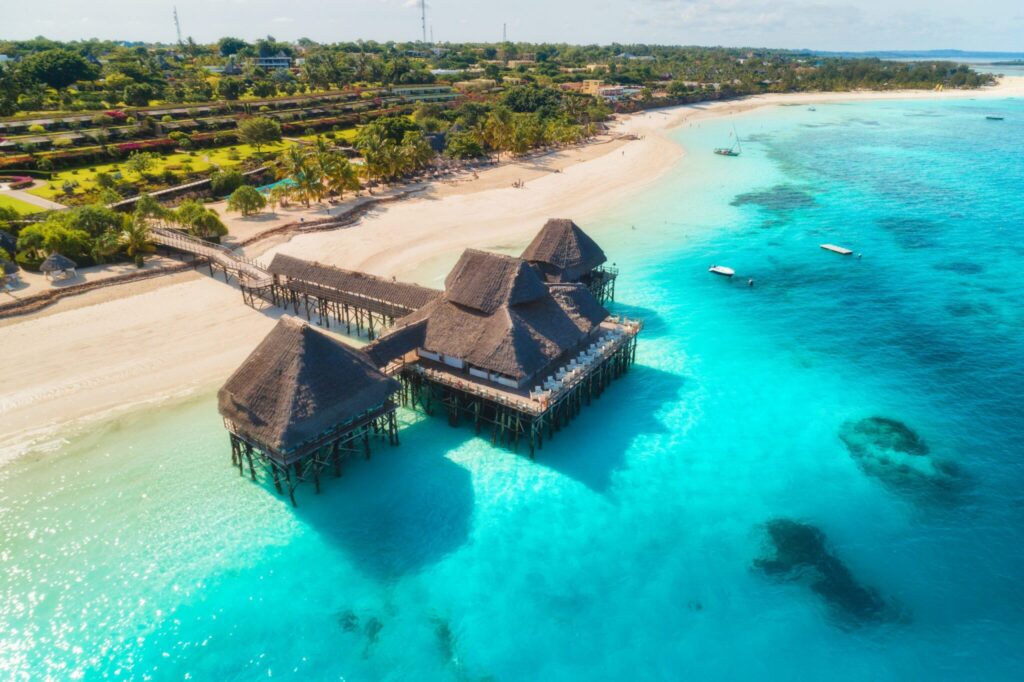
For beach holidays, the Costa del Sol, Costa Blanca and Costa Brava remain popular with UK travellers, offering a mix of resorts, beaches, restaurants and family activities. Northern Spain, including Galicia, Asturias, Cantabria and the Basque Country, feels greener and cooler, with dramatic coastlines, seafood, walking routes and cities such as Bilbao and San Sebastián.
The Balearic Islands — Mallorca, Menorca, Ibiza and Formentera — are popular for short-haul island holidays. Mallorca offers beaches, mountains, villages and resorts; Menorca is quieter and well suited to families; Ibiza combines nightlife with quieter coves and rural stays. The Canary Islands, including Tenerife, Gran Canaria, Lanzarote and Fuerteventura, are especially popular for winter sun, volcanic scenery, beaches and year-round warm weather.
Health and medical advice
Before travelling, check that your destination can provide any healthcare you may need and make sure you have appropriate travel insurance for local treatment or unexpected medical evacuation. This is particularly important if you have a health condition, are pregnant, are travelling with children or are planning activities such as hiking, cycling, skiing or watersports.
The emergency medical number in Spain is 112. If you are referred to a medical facility, contact your insurance or medical assistance company quickly. The FCDO also advises travellers to check vaccine recommendations at least eight weeks before travel and notes health risks in Spain including dengue, biting insects and ticks.
UK travellers should carry a valid GHIC or EHIC where eligible. These cards can help you access medically necessary state healthcare in Spain on the same basis as a Spanish citizen, but they are not a replacement for travel insurance. They do not cover everything, such as private healthcare, mountain rescue or medical repatriation to the UK.
Travel insurance for Spain
Travel insurance should be arranged as soon as you book your holiday. Depending on the policy and level of cover selected, travel insurance may help with unexpected costs linked to cancellation, cutting short a trip, emergency medical treatment, repatriation, travel delay, lost or stolen belongings and other insured events.
This matters even for a short trip to Spain. A GHIC or EHIC does not remove the need for insurance, and different types of holiday can carry different risks. A city break, beach holiday, winter sports trip, villa stay, cruise, cycling break or walking holiday may all need different cover considerations.
Leisure Guard’s travel insurance wording makes clear that travellers should read the policy wording and policy certificate carefully so they understand the extent of their cover, what is included and what is not. It also notes that different levels of cover and optional sections only apply where selected and paid for.
If you have pre-existing medical conditions, declare them accurately when buying cover. You should also check that any planned activities are covered, particularly if you are going hiking, cycling, skiing, scuba diving, sailing, jet skiing, climbing or taking part in organised excursions. Some activities may be included as standard, while others may require optional cover or may be excluded.
Safety and local awareness
Most visits to Spain are trouble-free, but travellers should still take sensible precautions. The FCDO advises visitors to be alert to street crime, as thieves may use distraction techniques and often work in teams. Take care of passports, money and personal belongings, particularly when collecting luggage at airports, checking in or arranging car hire.
Spain also has local laws that may catch travellers out. In some areas it is illegal to drink alcohol in the street, and there are strict controls on drinking and sexual activity in public places, including beaches. Local alcohol restrictions apply in parts of the Balearic Islands, including areas of Mallorca and Ibiza. In some parts of Spain, wearing only swimwear away from the beach or being bare-chested in public areas can also lead to a fine.
Balcony safety is another important issue. The FCDO notes that there have been serious, sometimes fatal, accidents involving British nationals falling from height, including from balconies. In some regions, irresponsible balcony behaviour can lead to fines or eviction, and travel insurance may not cover incidents involving balconies or alcohol or drug use.
Swimming, beaches and outdoor activities
Spain’s beaches are a major reason people visit, but swimming conditions vary. The FCDO notes that people drown in the sea and in swimming pools in Spain every year. Children should always be supervised, and travellers should follow beach flag systems carefully. A red flag means you must not enter the water.
Some beaches, especially around the Spanish islands, may have strong undercurrents. Hidden rocks, shallow water and river mouths can also create risks, so avoid diving into unknown water and take local advice where lifeguards, flags or signs are not available.
Spain is also popular for hill walking, skiing and mountain activities. Weather can change quickly, and altitude sickness may be a risk in higher mountain ranges, including parts of Granada, Huesca and Tenerife. If you are hiking or climbing, check local weather reports, plan your route and make sure your travel insurance covers the activity and any rescue costs that may apply.
Driving and car hire in Spain
Spain is a good destination for hiring a car, especially if you want to explore rural areas, beaches, national parks, mountain villages or parts of the islands that are harder to reach by public transport. UK photocard driving licences can be used in Spain, but provisional licences are not valid. You must carry a valid driving licence and ID when driving.
Spain has strict drink-driving laws, regular roadside checks and on-the-spot fines for offences such as speeding. Seatbelts are compulsory for passengers in the front and back seats, and children under 1.35m must use an approved child safety seat on the back seat, except in limited circumstances. It is also illegal to use a mobile phone while driving unless you are using a fully hands-free unit.
Some Spanish cities have low emission zones, known as Zonas de bajas emisiones or ZBE. Foreign-registered vehicles may need to be registered in advance in some cities, including Barcelona, so check the rules before driving into urban areas.
If you hire a car, inspect it carefully before leaving the rental office, take photos of existing damage and check what is included in the rental agreement. Basic rental insurance may still leave you responsible for an excess, deposit or charges for certain types of damage.
Car hire excess insurance may help with certain excess charges or costs applied by a rental company after an insured incident, depending on the policy terms. Leisure Guard’s Car Hire Excess & Damage Insurance wording explains that the product is designed to help with certain amounts you may be liable to pay to the rental company after an incident, but it is not a replacement for total rental car insurance, third-party liability, fire cover, travel insurance, medical insurance or life insurance.
Travellers should check the certificate of insurance, destination, rental dates, named driver, rental vehicle type and exclusions before relying on any car hire excess policy.
Weather and natural risks
Spain can experience extreme heat, particularly in summer and in inland or southern areas. Check weather warnings, avoid the hottest part of the day where possible, drink plenty of water and take extra care with children, older travellers and anyone with a health condition.
Wildfires happen often in Spain, including on the islands, during the summer months. Travellers should be careful in woodland areas, avoid anything that could start a fire and follow local authority advice. Flash flooding can also cause travel disruption and damage, so check weather warnings before travelling if severe weather is forecast.
Final thoughts
Spain is one of the most flexible destinations for UK travellers, offering everything from easy beach holidays and family resorts to food-focused city breaks, road trips, mountain escapes and winter sun. Its familiarity should not mean skipping the basics.
Check current travel advice, make sure your passport meets Schengen requirements, carry a GHIC or EHIC where eligible, arrange suitable travel insurance and check any activity or car hire terms before you travel. With the right preparation, Spain remains one of the most enjoyable and accessible holiday destinations in Europe.
The contents of this article are for informative purposes only and does not affect the terms and conditions of a Leisure Guard Travel Insurance policy. For more information on what is covered under a Leisure Guard policy, please refer to the terms and conditions found in the policy wording.