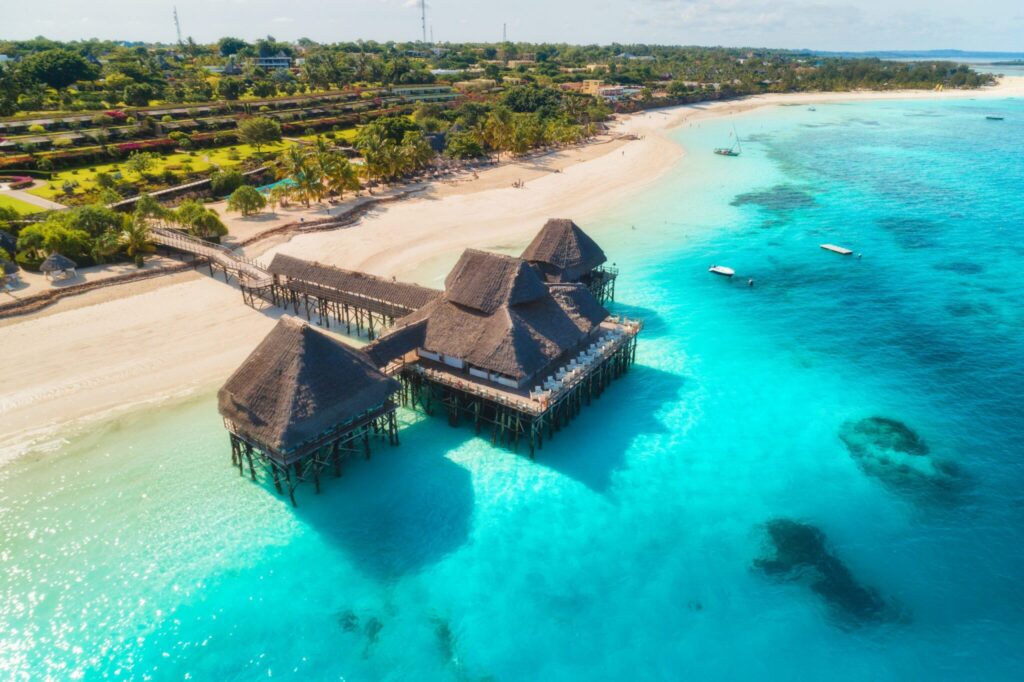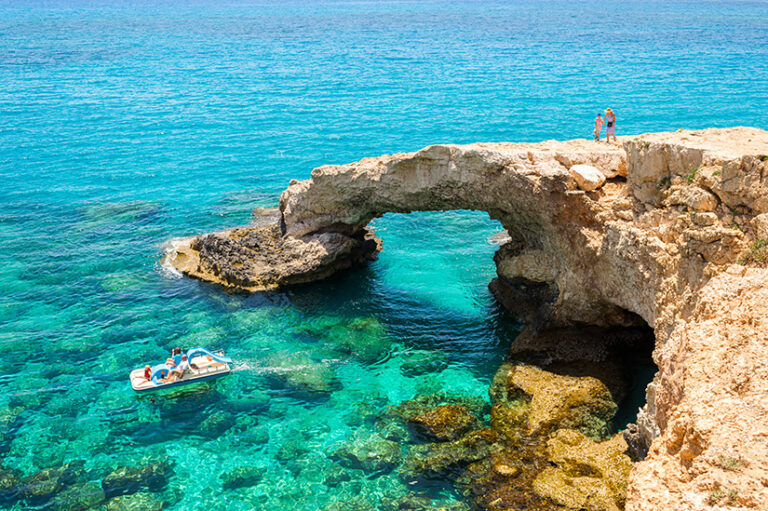
Cyprus is one of the most popular Mediterranean destinations for UK travellers, offering warm weather, beaches, ancient sites, family-friendly resorts, mountain villages, food, wine and short-haul sunshine for much of the year. It works well for summer holidays, Easter breaks, autumn sun, weddings abroad, villa stays and relaxed resort holidays.
Popular areas include Paphos, Coral Bay, Limassol, Larnaca, Protaras, Ayia Napa and the Troodos Mountains. Cyprus can feel familiar and easy to navigate, partly because driving is on the left and English is widely spoken in tourist areas, but travellers should still prepare properly. Entry rules, healthcare, local laws, extreme heat, wildfires, road safety, the divided status of the island and travel insurance all deserve attention before you travel.
Before you travel
Before booking or travelling, check the latest UK Foreign, Commonwealth & Development Office advice for Cyprus. The FCDO advises travellers to research their destination and arrange appropriate travel insurance that covers their itinerary, planned activities and emergency expenses. Its Cyprus guidance also highlights regional tensions in the wider area, so travellers should monitor local and international updates and keep travel documents up to date.
British citizens travelling on a full UK passport can visit Cyprus without a visa for up to 90 days. Your passport must have been issued less than 10 years before the date you arrive, must be valid for at least three months after the day you plan to leave, and must have at least one blank page for stamping. At border control, you may also need to show a return or onward ticket and prove that you have enough money for your stay.
Cyprus is not part of the Schengen area. This means visits to Cyprus do not count towards your 90-day visa-free limit in the Schengen area, and Schengen visits do not count towards your Cyprus 90-day limit. Cyprus is also not affected by the EU Entry/Exit System for Schengen countries, but travellers should still make sure their passport is stamped on entry and exit.
Where to stay in Cyprus
Paphos is one of the best-known choices for UK travellers. It combines beaches, harbour restaurants, archaeological sites, family hotels and access to the west coast. It is particularly well suited to families, couples and travellers who want a mix of resort convenience and sightseeing.
Protaras and Fig Tree Bay are popular for clear water, sandy beaches and family-friendly hotels. Ayia Napa is known for nightlife, but it also has some of the island’s best beaches and can work well for travellers who choose quieter accommodation away from the main party areas.
Limassol is a larger, more urban option with a marina, restaurants, beaches, shopping and easy access to other parts of the island. Larnaca is convenient for shorter breaks and airport access, while the Troodos Mountains offer a cooler, more traditional contrast to the coast, with villages, monasteries, walking routes and wineries.
The north of Cyprus and the Green Line
Cyprus is divided by the ‘Green Line’. The Republic of Cyprus is a full EU member, but the UK Government does not recognise the self-declared “Turkish Republic of Northern Cyprus”. The FCDO states that UK consular support is limited in the north of Cyprus, and visitors may be more vulnerable because authorities there do not share information with the British High Commission about the location, wellbeing or treatment of British nationals.
Travellers can use crossing points between the north and south, but time spent in the north counts towards the Republic of Cyprus 90-day visa-free total. If you enter Cyprus through the north, such as through Ercan Airport, Republic of Cyprus authorities may consider this an illegal entry, which could lead to fines, refused entry or exit, or issues crossing back into the north.
Health and medical advice
Before travelling, check that your destination can provide the healthcare you may need and make sure you have appropriate travel insurance for local treatment or unexpected medical evacuation. This is particularly important if you have a health condition or are pregnant. The emergency medical number in Cyprus is 112, and the FCDO advises contacting your insurer quickly if you are referred to a medical facility.
UK travellers should carry a valid GHIC or EHIC where eligible. These cards can help with medically necessary state healthcare in Cyprus, but they are not a replacement for travel insurance. They may not cover costs such as changes to travel and accommodation, medical repatriation to the UK, private healthcare, private clinics or treatment ruled non-urgent.
At least eight weeks before travel, check vaccine recommendations and health risks for Cyprus. The FCDO highlights risks including biting insects and ticks, and also notes that the legal status and regulation of some medicines prescribed or bought in the UK may differ overseas.
Travel insurance for Cyprus
Travel insurance should be arranged as soon as you book your holiday, even for a short Mediterranean break. Depending on the policy and level of cover selected, travel insurance may help with unexpected costs linked to cancellation, cutting short a trip, emergency medical treatment, repatriation, travel delay, lost or stolen belongings and other insured events.
For Cyprus, medical cover, repatriation, activity cover and travel disruption are worth checking carefully. A GHIC or EHIC may help with state healthcare, but it does not cover everything, and private treatment or repatriation can still be expensive. Leisure Guard’s travel insurance wording states that travellers should read the policy wording and policy certificate carefully so they understand the extent of cover, what is included and what is not. It also notes that different levels of cover and optional sections only apply where selected and paid for.
If you have pre-existing medical conditions, declare them accurately when buying cover. Leisure Guard’s wording says travellers must tell the insurer about pre-existing medical conditions and that failure to do so may result in a claim being refused or reduced, even if the claim is not related to the undisclosed condition.
You should also check whether your planned activities are covered. Water sports, diving, quad biking, hiking, cycling, boat trips and other excursions may have conditions, exclusions or require the activity to be named on the policy. FCDO advice for Cyprus specifically says that for extreme or adventure sports, water sports or diving, travellers should get the right travel insurance and check that the sport is included by name on the policy.
Safety and local awareness
Crime against tourists in Cyprus is not common, but sensible precautions still matter. Keep passports, money and valuables safe, use hotel safes where available, and take care in busy tourist areas, bars, beaches and transport locations.
Drink spiking and drug-assisted sexual assault can happen, including with substances such as GHB and liquid ecstasy. Buy your own drinks, keep sight of them and avoid becoming separated from friends in nightlife areas.
Cyprus has strict drug laws. The FCDO describes a zero-tolerance policy towards illegal drugs, including laughing gas and cannabis, with severe penalties for possession, use or smuggling. Travellers should also avoid photographing sensitive areas such as military buildings, as this could lead to arrest.
Beaches, weather and outdoor risks
Swimming is generally safe in Cyprus, but there can be strong waves and currents. Always follow warning signs and swim only on approved beaches. This is especially important for families and anyone swimming away from busier resort beaches.
Cyprus can become extremely hot in summer. Plan sightseeing, walking and day trips around the cooler parts of the day, drink plenty of water and take extra care with children, older travellers and anyone with a health condition. The Cyprus Department of Meteorology issues severe weather warnings, especially during summer, and weather can sometimes disrupt travel.
Wildfires are a serious risk during the summer season from April to October. They can spread quickly and unpredictably, so travellers should follow local authority advice, enable emergency alerts on their mobile phones and call 112 if in immediate danger. Cyprus also experiences earthquakes and tremors, so it is sensible to know basic safety procedures and follow local instructions if an incident occurs.
Driving and car hire in Cyprus
Cyprus is a popular destination for hiring a car, particularly for exploring beaches, villages, archaeological sites and the Troodos Mountains. UK travellers can use a UK photocard driving licence in Cyprus, although those with a paper licence may need to update it or obtain the correct International Driving Permit. You must display a UK sticker if driving a UK-based car in Cyprus.
Driving is on the left, which makes Cyprus feel familiar to UK drivers, but standards can vary. The FCDO notes that driving standards are poor and that there is an increased risk of road deaths compared with the UK. Drivers can also be heavily fined for offences such as not wearing a seat belt, riding a motorbike without a crash helmet, using a mobile phone while driving or drink-driving.
If hiring a car, inspect it carefully before driving away, photograph any existing damage, check the fuel policy and make sure the vehicle is roadworthy and has appropriate safety equipment. Never hand over your passport as a deposit; the FCDO states that this is illegal, even though rental companies may ask for it.
Car hire excess insurance may help with certain excess charges, deposits or other costs applied by a rental company after an insured incident, depending on the policy terms. Leisure Guard’s Car Hire Excess & Damage Insurance wording explains that the product is designed to help with certain amounts you may be liable to pay to the rental company after an incident, but it is not a replacement for total rental car insurance, third-party liability, fire cover, travel insurance, medical insurance or life insurance.
Take particular care if crossing between the Republic of Cyprus and the north. Cars hired in the Republic of Cyprus often have no insurance cover in the north, and travellers may not be allowed through a crossing without the correct insurance documents. Hire companies renting mopeds and quad bikes usually provide only third-party insurance, meaning you may have to pay for damage to the vehicle yourself.
Final thoughts
Cyprus is a strong choice for UK travellers looking for beaches, sunshine, family resorts, cultural sites, villa holidays and easy Mediterranean travel. It is familiar enough to feel straightforward, but still needs proper preparation.
Check current travel advice, make sure your passport meets entry requirements, understand the position around the north of Cyprus, carry a GHIC or EHIC where eligible, and arrange travel insurance that matches your health needs, activities and itinerary. If hiring a car, read the rental agreement carefully and check any car hire excess insurance before you travel.
The contents of this article are for informative purposes only and does not affect the terms and conditions of a Leisure Guard Travel Insurance policy. For more information on what is covered under a Leisure Guard policy, please refer to the terms and conditions found in the policy wording.