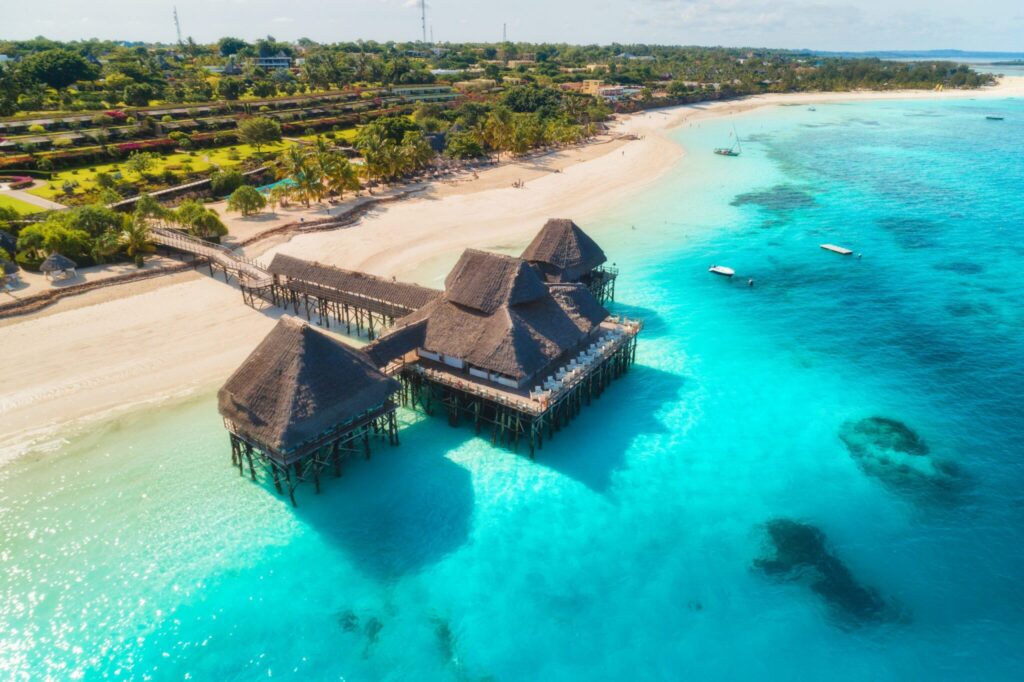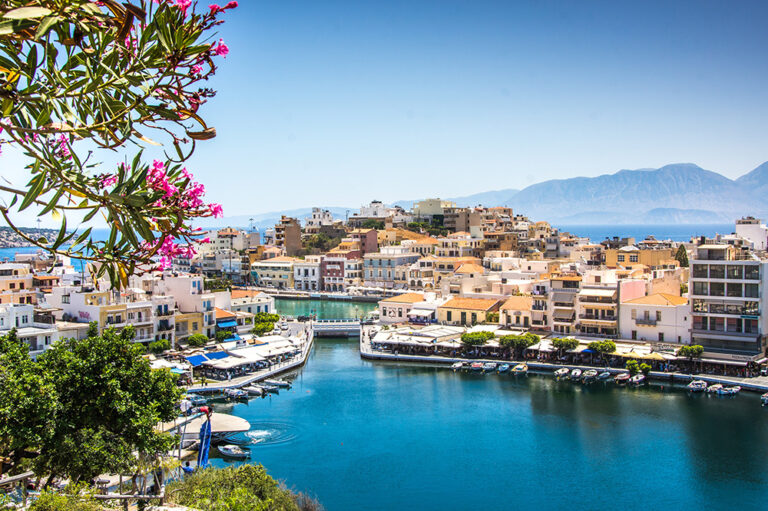
The Greek Islands are among the most popular European holiday destinations for UK travellers, offering everything from family beach resorts and romantic cliffside hotels to quiet fishing villages, island-hopping routes, ancient sites and lively nightlife. With hundreds of inhabited islands to choose from, a holiday to Greece can look very different depending on whether you choose Crete, Rhodes, Corfu, Kos, Santorini, Mykonos, Zakynthos, Kefalonia, Skiathos, Naxos, Paros or one of the smaller islands.
For many travellers, the appeal is simple: warm weather, clear water, reliable sunshine, good food and relatively short flight times from the UK. However, the islands can also bring practical considerations around ferries, healthcare access, extreme heat, wildfire risk, driving, quad bikes, medical cover and travel disruption. Planning ahead will help you get more from your trip and avoid common issues.
Choosing the right Greek island
Crete is the largest Greek island and works well for travellers who want variety. It has beaches, cities, mountains, archaeological sites, family resorts and self-drive routes. Chania and Rethymno are good for character and old-town charm, while Heraklion is useful for Knossos and central access. The south coast feels quieter and more rugged.
Rhodes is popular for family holidays, history and beach resorts. Rhodes Town offers medieval streets and harbour views, while Lindos is known for whitewashed buildings, beaches and the Acropolis. Corfu has a greener landscape, Venetian architecture and a strong British holiday market, making it a good option for families and return visitors.
Kos is often chosen for beach holidays, cycling, family resorts and easy day trips. Zakynthos is known for turquoise water, boat trips and loggerhead turtles, while Kefalonia is a strong choice for scenery, quieter beaches and relaxed village stays. Santorini and Mykonos are more expensive but remain popular for honeymoons, luxury hotels, sunsets, nightlife and short breaks. For a more traditional island-hopping feel, the Cyclades islands such as Naxos, Paros, Milos and Syros are worth considering.
Entry requirements for UK travellers
Greece is part of the Schengen area. British citizens travelling on a full UK passport can visit Greece without a visa for up to 90 days in any 180-day period for tourism, family visits, business meetings, cultural events, sports events, short-term study or training. Your passport must have been issued less than 10 years before the date you arrive and must be valid for at least three months after the day you plan to leave the Schengen area. (GOV.UK)
The EU Entry/Exit System is being implemented across the Schengen area, so travellers should allow extra time for border processes, especially at busy airports and ferry ports. FCDO guidance also notes that Greek authorities have indicated they will not collect biometric data from UK travellers as part of EES, but travellers should follow the advice of authorities on the ground. (GOV.UK)
Health and medical care on the islands
Before travelling, check that your destination can provide any healthcare you may need and make sure you have appropriate travel insurance for local treatment or unexpected medical evacuation. This is particularly important if you have a health condition, are pregnant, are travelling with young children, or are staying on a smaller island where medical services may be more limited. (GOV.UK)
Healthcare standards are generally good on the Greek mainland, but facilities can be more limited on the islands. The FCDO notes that there are serious shortages of ambulances on some islands and that travellers may be directed to private medical centres rather than public hospitals. (GOV.UK)
UK travellers should carry a valid GHIC or EHIC where eligible, but this is not a substitute for travel insurance. A GHIC or EHIC may help with medically necessary state healthcare, but it will not cover everything. It will not usually cover costs such as medical repatriation to the UK, private healthcare, private clinics, additional travel and accommodation costs, or treatment considered non-urgent. (GOV.UK)
In an emergency, call 112 for ambulance, fire or police. Calling 999 from a UK mobile in Greece should automatically transfer you to the Greek emergency services. (GOV.UK)
Travel insurance for the Greek Islands
Travel insurance should be arranged as soon as you book your holiday, rather than left until the day before departure. Depending on the policy and level of cover selected, travel insurance may help with unexpected costs linked to cancellation, cutting short a trip, emergency medical treatment, repatriation, travel delay, lost or stolen belongings and other insured events.
This matters for island holidays because disruption can be more complicated than on a simple mainland trip. Ferries may be delayed, weather can affect flights, and medical treatment on a smaller island may involve transfer to a larger island or the mainland. Leisure Guard’s policy wording makes clear that travellers should read both the policy wording and policy certificate carefully so they understand the extent of cover, what is included and what is not. It also notes that some cover levels and optional sections only apply where selected and paid for.
If you have pre-existing medical conditions, declare them accurately when buying cover. You should also check whether your planned activities are included. Boat trips, snorkelling, diving, kayaking, hiking, cycling, quad biking and moped hire can all raise different insurance considerations. Travel insurance is not automatically a blanket policy for every holiday activity, so it is worth checking before you book excursions.
Safety, activities and local awareness
The Greek Islands are generally popular and welcoming destinations, but travellers should still take sensible precautions. Pickpocketing and theft can happen in crowded tourist areas, particularly in transport hubs, busy towns, nightlife areas and at major attractions. Keep valuables secure, use hotel safes where available, and keep a copy of your passport details separate from the original.
Quad biking and moped hire are common on many islands, especially in resort areas, but they can be risky. The FCDO warns that quad biking carries the risk of serious injury or death and that specific travel insurance is needed because it is often treated as an extreme sport and excluded by many policies. It also notes that insurance sold by hire companies may only provide third-party insurance, and that travellers may still be charged for damage to the rental vehicle. (GOV.UK)
Hiking is another area where planning matters. Many island walking routes are beautiful but exposed, steep or poorly shaded. In hot weather, walks can become much harder than expected. The FCDO advises planning routes in advance, checking the weather, avoiding peak sun hours, wearing suitable footwear and making sure insurance covers extra costs such as mountain rescue or helicopter evacuation where relevant. (GOV.UK)
Weather, wildfires and natural hazards
Summer in the Greek Islands can be very hot, particularly in July and August. Plan sightseeing, hikes and longer walks early in the morning or later in the day, drink plenty of water and take sun protection seriously. Families, older travellers and anyone with a health condition should be especially careful during heatwaves.
Greece can experience earthquakes, wildfires, extreme heat and flash floods. The FCDO advises travellers to enable emergency alerts on their mobile phones and consider keeping essentials such as passports, medicines, money, bank cards, chargers and insurance documents easy to access. (GOV.UK)
Wildfires are a particular risk during the summer season from April to October. They can be dangerous and unpredictable, and the situation can change quickly. Travellers should follow local authority instructions, avoid activities that could start fires, and call 112 if they are in immediate danger. (GOV.UK)
Getting around and hiring a car
On larger islands such as Crete, Rhodes, Corfu and Kefalonia, hiring a car can be one of the best ways to explore beaches, villages and mountain viewpoints. On smaller islands, buses, taxis, hotel transfers, ferries, scooters or organised tours may be easier.
You can use a UK photocard driving licence to drive in Greece, although hire companies may set stricter rules, such as minimum age, driving experience or an International Driving Permit requirement. Road conditions can vary, and local driving can feel fast or unpredictable, particularly in towns, mountain roads and busy resort areas. (GOV.UK)
Before accepting a hire car, inspect it carefully, photograph any existing damage, check the fuel policy and understand what is included in the rental agreement. Many rental agreements include basic insurance, but there may still be an excess or charges for certain types of damage.
Car hire excess insurance may help with certain excess charges, deposits or other costs applied by a rental company after an insured incident, depending on the policy terms. However, it is not a replacement for full rental car insurance, third-party liability, fire cover or other compulsory cover. Leisure Guard’s Car Hire Excess & Damage Insurance wording states that the product is designed to cover certain amounts you may be liable to pay to the rental company after an incident, but it is not suitable for someone seeking total insurance and liability cover for rental cars.
Travellers should check that the destination is shown on their certificate of insurance, that the whole rental period is covered, that the lead driver matches the certificate and rental agreement, and that the rental agreement includes basic Collision Damage Waiver where required.
Final thoughts
The Greek Islands offer huge variety, from relaxed beach breaks and family resorts to romantic escapes, island-hopping adventures, hiking holidays and historic sightseeing. The key is choosing the right island for the style of trip you want and preparing for the practical details.
Check current travel advice before departure, make sure your passport meets Schengen requirements, take suitable travel insurance, understand the limitations of GHIC or EHIC cover, and check activity and car hire terms carefully. With the right planning, a Greek Islands holiday can be one of the easiest and most rewarding ways to enjoy sunshine, scenery, culture and food within a few hours of the UK.
The contents of this article are for informative purposes only and does not affect the terms and conditions of a Leisure Guard Travel Insurance policy. For more information on what is covered under a Leisure Guard policy, please refer to the terms and conditions found in the policy wording.